

Navigating the healthcare landscape can sometimes feel overwhelming, especially when you're faced with an immediate health concern and aren't sure whether to call your doctor or head to a clinic. Understanding the distinct roles of primary care and urgent care is crucial for making informed decisions that support your overall well-being and ensure you receive the most appropriate and effective care. At New Horizon General Medical Center, we believe in empowering you with the knowledge to make choices that lead to a new outlook on your health. Let's explore the differences to help you know exactly where to go for your general medical needs.

The Cornerstone of Your Health: Primary Care
Primary care is the foundation of long-term health and preventive medicine. A primary care provider (PCP) is your partner in maintaining wellness, offering continuous, comprehensive care over time. This includes routine physicals, preventive screenings, vaccinations, and ongoing management of chronic conditions like diabetes or high blood pressure. Your PCP develops a deep understanding of your medical history, lifestyle, and unique health goals, allowing for a personalized approach that often identifies potential issues before they become serious. This ongoing relationship is central to a root-cause medicine approach, focusing on sustained health rather than just treating symptoms.
Immediate Needs: When Urgent Care Steps In
Urgent care centers fill a vital gap between your primary care physician's office and the emergency room. They are designed to treat illnesses or injuries that require prompt attention but are not life-threatening. Think of situations like the flu, a lingering cough, minor cuts that might need stitches, sprains, mild asthma attacks, or infections such as earaches, sinus infections, or urinary tract infections. While urgent care offers convenient, walk-in services for acute issues, it is not a substitute for the comprehensive, long-term care provided by a primary care provider. It's crucial to remember that for severe or life-threatening conditions, such as chest pain, severe bleeding, or signs of a stroke, an emergency room or immediate emergency services are the appropriate choice.
Making the Right Choice for Your General Medical Needs
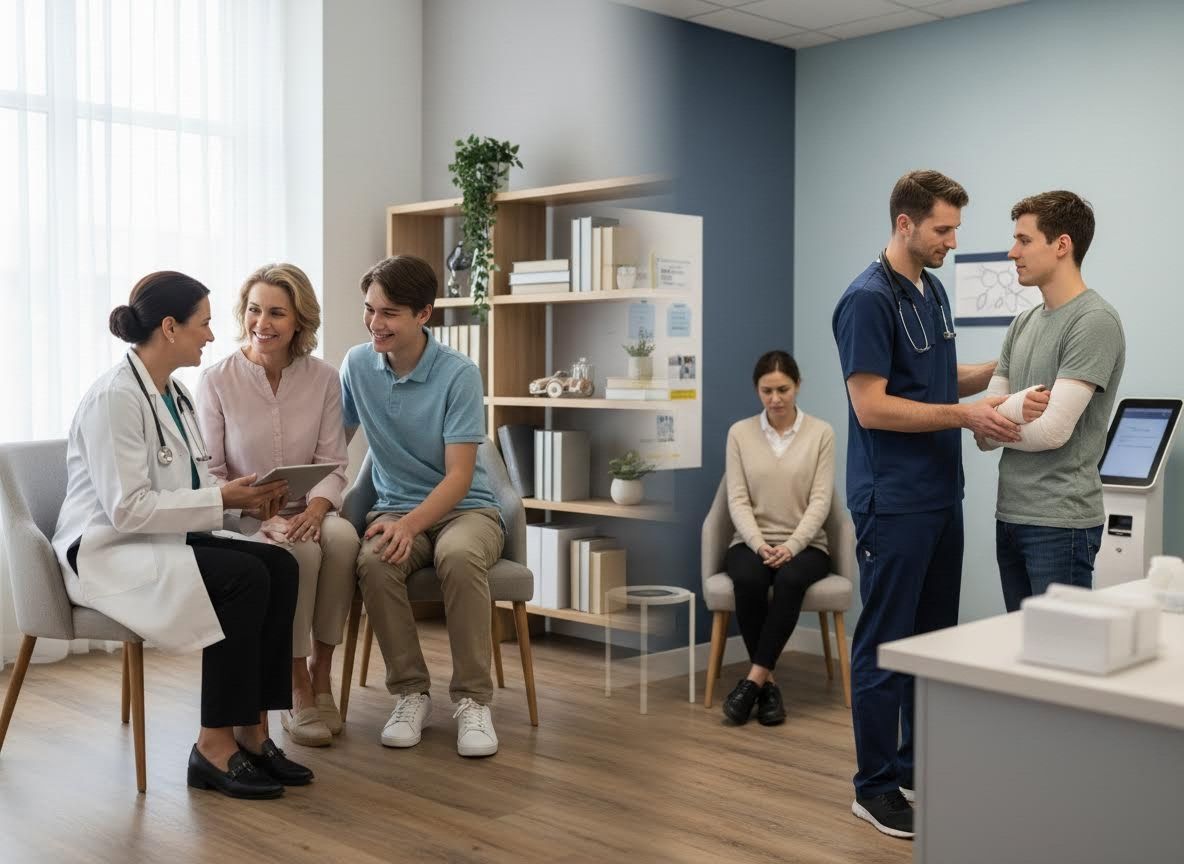
Deciding between primary care and urgent care often comes down to the nature and severity of your health concern. If you're dealing with a new, acute symptom that needs attention within 24-48 hours but isn't life-threatening, urgent care can be an excellent option. However, for chronic condition management, preventive care, medication refills for ongoing conditions, or any health concern that requires a deeper, more holistic understanding of your body, your primary care provider is the best resource. Many modern general medical services, including telehealth options, can provide convenient access to your established care team for routine consultations and laboratory discussions, ensuring continuity without compromising quality.
A New Outlook on Your Health Journey
Understanding where to seek care is a vital step in taking control of your health journey. While urgent care is indispensable for immediate, non-emergent issues, establishing a consistent relationship with primary care is paramount for preventive health, comprehensive management, and achieving a new outlook on your health. By choosing the appropriate path for your general medical needs, you ensure you receive targeted, effective care that aligns with a proactive, root-cause approach to well-being. To explore how personalized, compassionate telehealth services can support your long-term health and general medical needs from the comfort of your home, we invite you to learn more about our offerings.